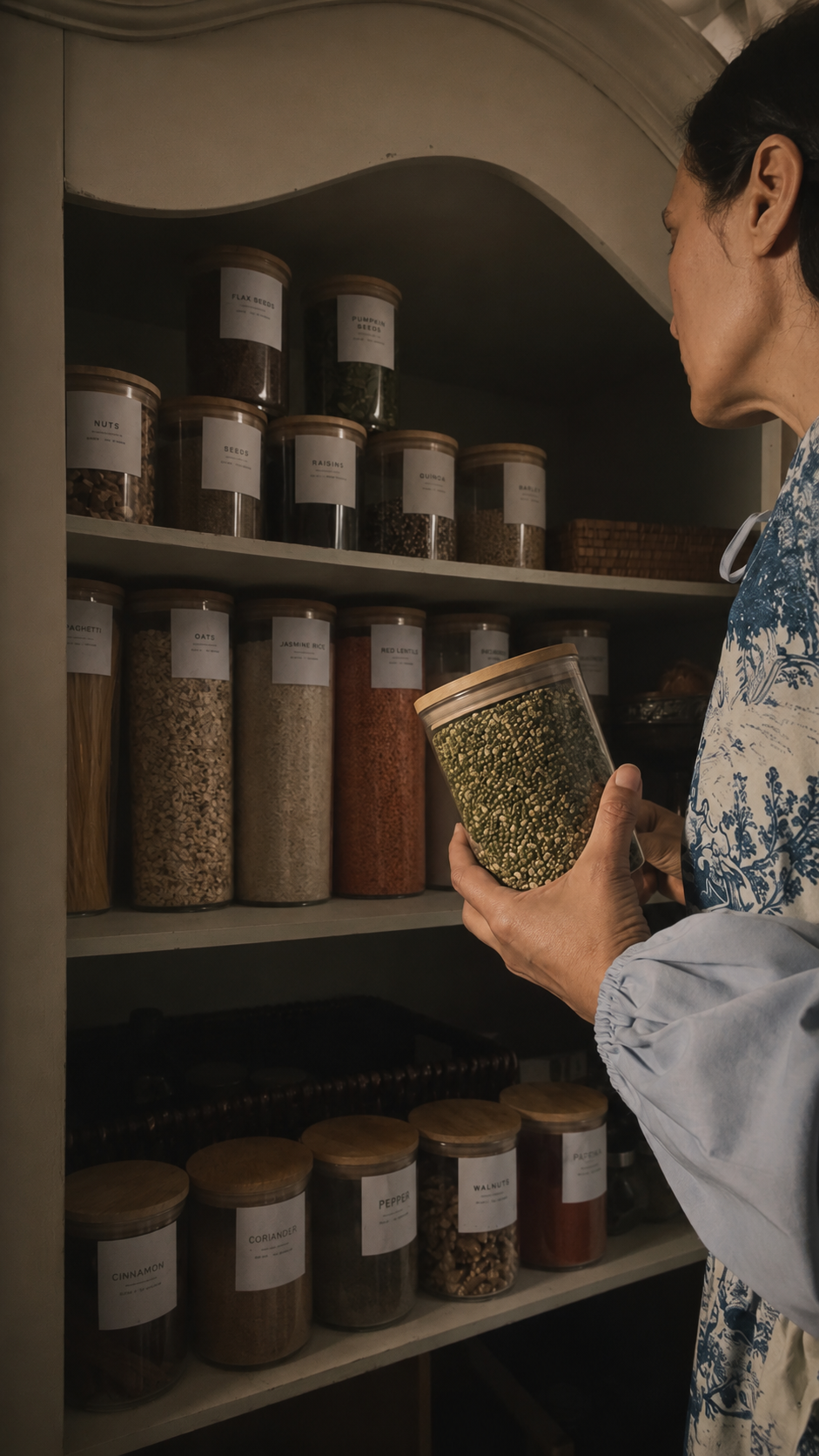
What the Pantry Holds
The body changes with light, temperature, season, age, activity. What supports us changes too. By late spring, digestion often begins to lighten. Bitter greens return. Herbs become sharper. Meals simplify.
But simplicity does not mean absence.
The body still needs grounding while energy rises.
This is where the pantry supports the season.
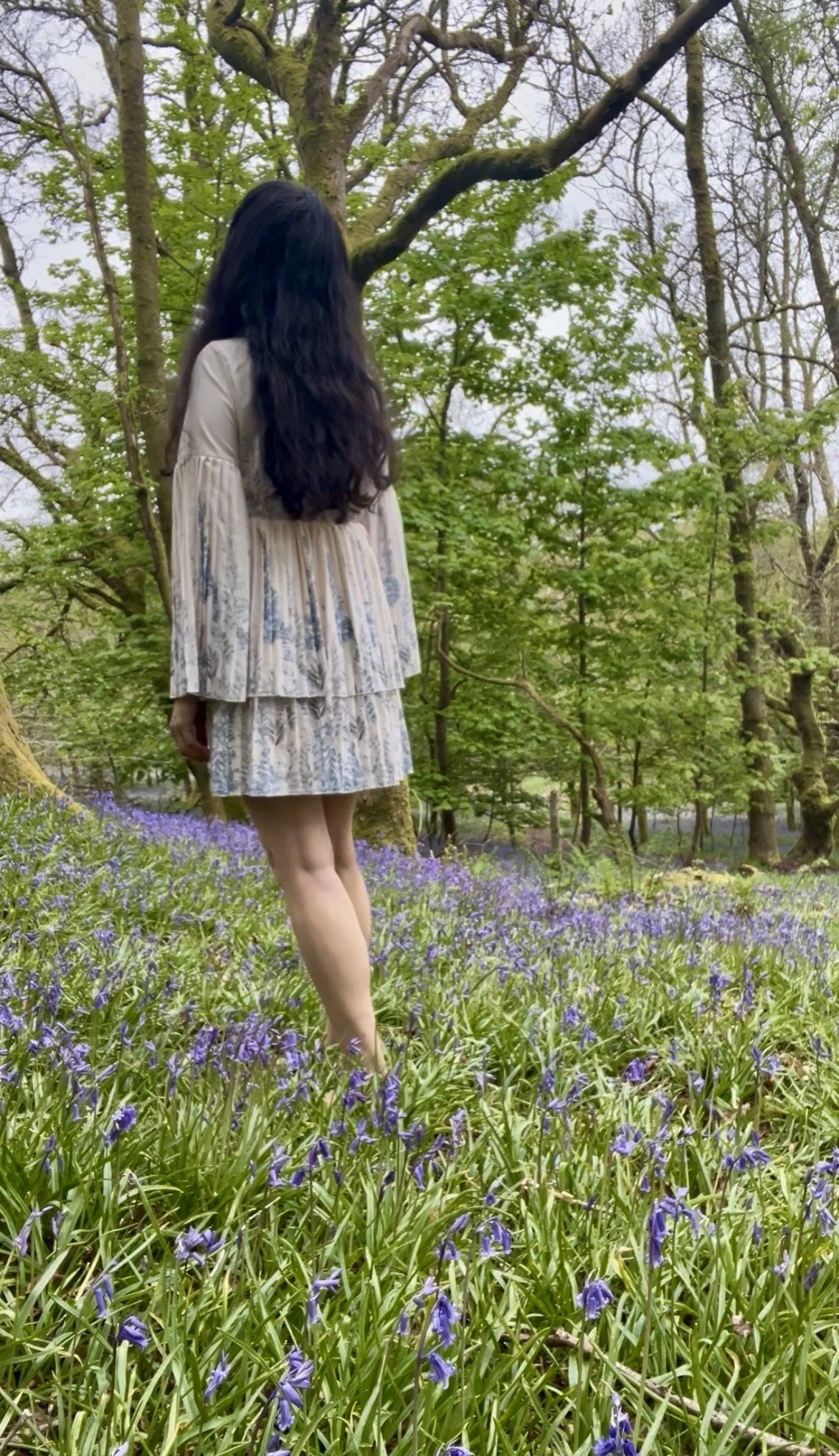
Where the Woods Begin to Change
Earlier spring carries upward movement. Energy begins to rise after winter. The body looks for space again. By mid spring, that first momentum steadies. Movement becomes less about emergence and more about continuity.
The rhythm changes.
Practice no longer feels like returning from winter. It becomes part of the landscape again. Something repeated often enough that the body stops announcing it.
Bluebells carry a similar quality.
They do not appear individually. They move in groups, gradually covering the woodland floor until the eye stops separating one stem from another. The effect comes through accumulation. Through repetition over time.
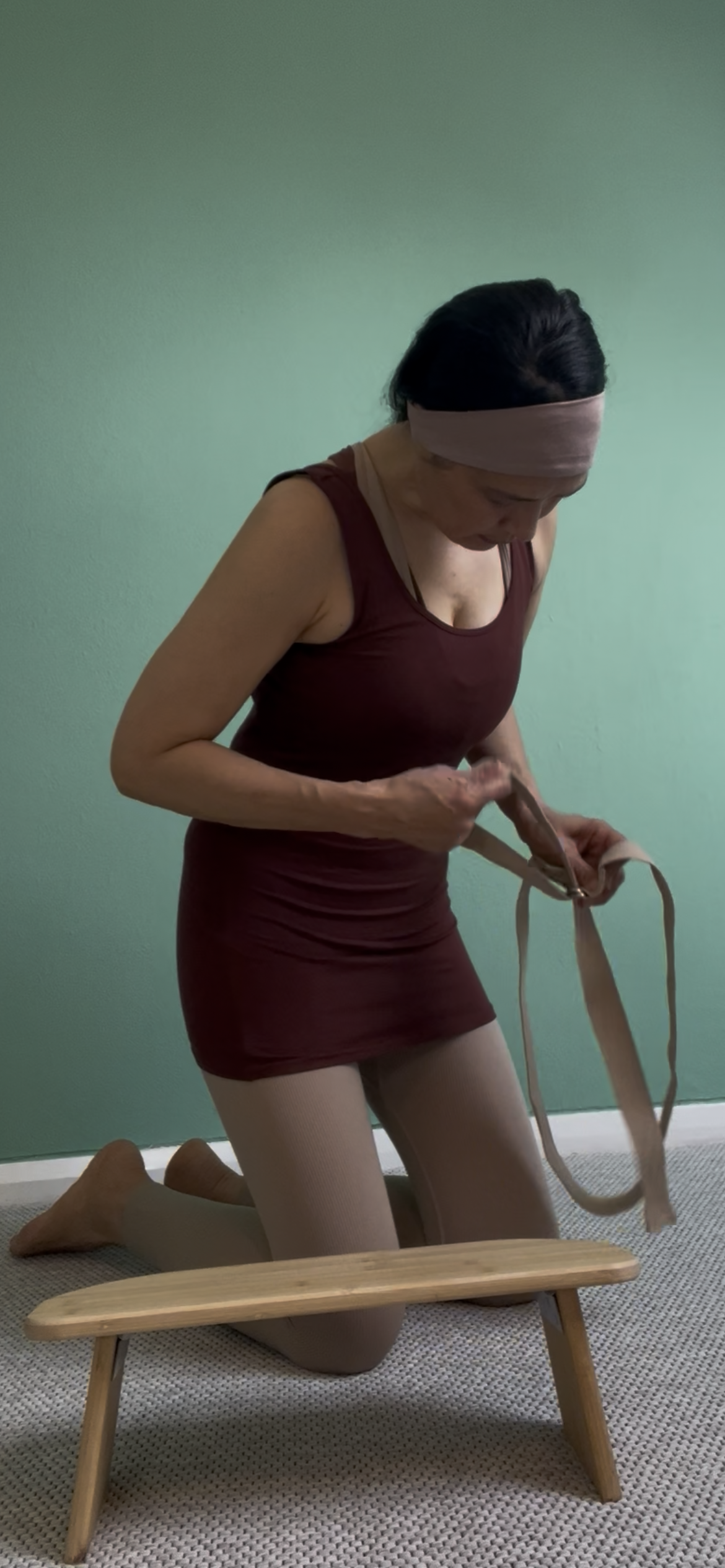
The Body Learns Slowly
The body protects the places it has learned to hold.
So the work becomes less about forcing movement and more about returning to it. Again and again. A few breaths. A small adjustment. The same action repeated over time.
At first, the movement belongs mostly to effort.
The arms lift.
The chest tightens.
The neck compensates.
The breath shortens slightly as the body approaches its edge.
Then gradually, repetition begins to alter the relationship.
The shoulders start to recognise the shape.
The breath remains steadier inside the movement.
The body uses less force to arrive in the same place.
Support changes the experience of opening.
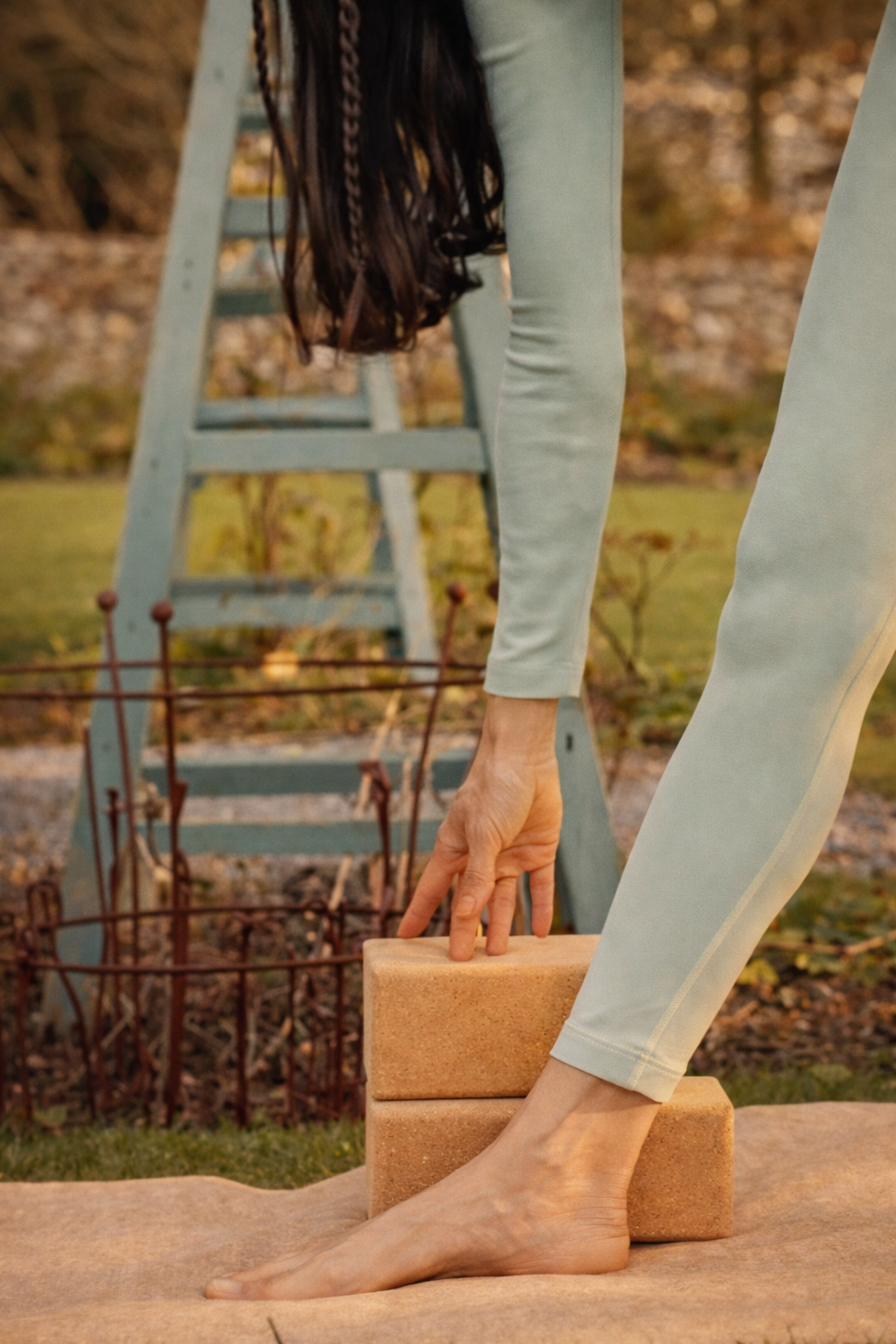
Finding the Line
The body begins to organise itself differently as the season changes.
After a period of inward practice, where movement stays close and contained, space starts to open again. There is no urgency in it. Just a gradual sense that the body is ready to meet more of its surroundings.
Standing becomes clearer.
There is more awareness of where the body meets the ground. The feet press with greater consistency. Weight settles more evenly. Effort that once gathered in one place begins to distribute.
In Trikonasana, this is immediately apparent.
The posture extends outward. It depends on a clear relationship between ground and reach. The legs establish direction. The feet hold steady. The spine follows.
Without that foundation, the shape does not hold.
Early in the season, there can be a tendency to reach too far. The arm leads. The gaze follows. The posture becomes something to arrive at rather than something already forming.
The line is found differently.
What Begins to Rise
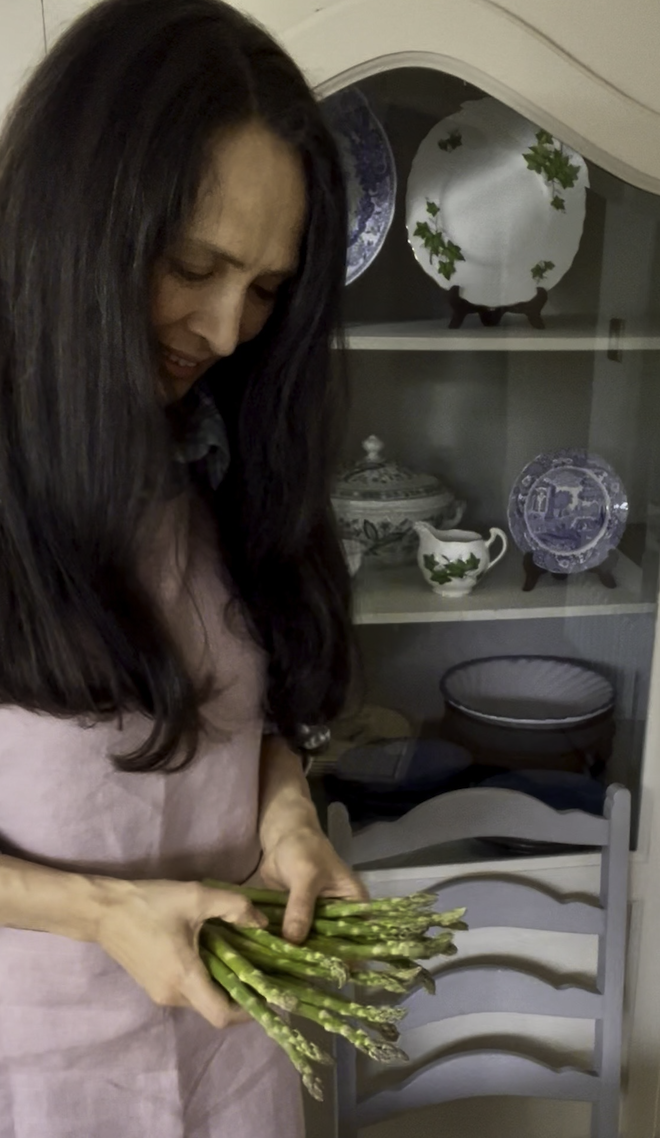
The asparagus has started to appear.
Not in abundance, not yet. But enough to mark a change. The bundles are smaller. The stems are tight and upright, held close together as though they are still gathering themselves.
After months of roots and stored foods, the kitchen changes first.
There is less need for weight. Less need for long cooking. Heat softens. Meals become simpler. The body adjusts before there is any decision to do so.
Asparagus arrives at this point in the season.
It does not store. It rises.
Each stem pushes upward from the ground, drawing from what has been building beneath the surface. What was held through winter begins to move. Not all at once, but steadily.
In practice, the shift is similar.
When Colour Returns
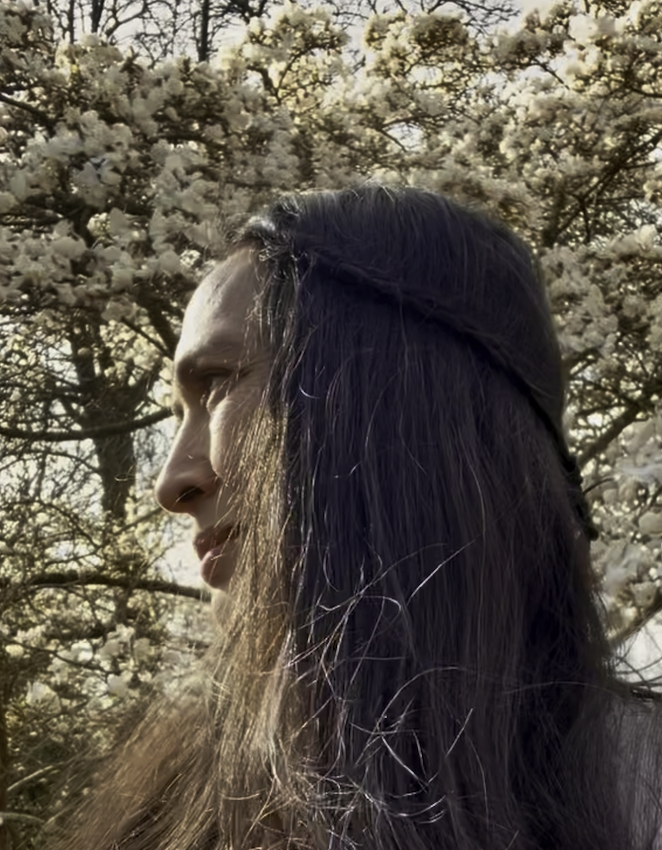
The magnolia opened almost all at once.
One day the branches were still. The next, they held colour. Pale, soft, and slightly luminous against the light that is only just beginning to change.
After winter, colour is not neutral. It is felt.
The eye lingers longer. The body registers something before there are words for it. A subtle shift. Not yet energy, but a softening of what has been held for months.
Earlier in the season, practice asks for steadiness. For contact with the ground. For attention to what supports.
Now something else begins to appear.
Sensitivity.
Where Strength Begins
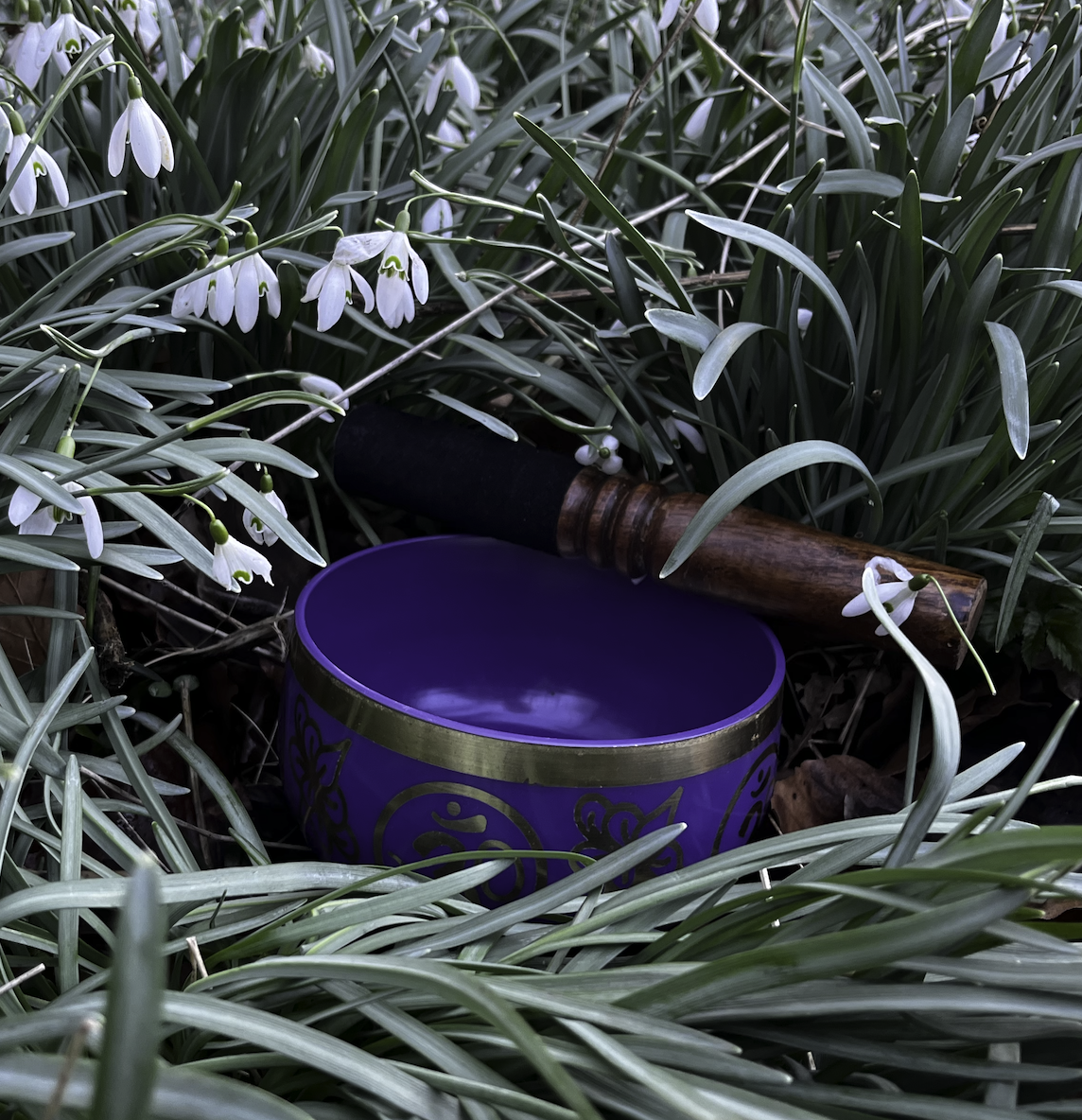
Early spring often draws the eye upward. We look for signs of return. Longer light. New shoots. A sense of renewal. But growth does not begin in the visible. It begins in what holds.
In practice, this is often most apparent in the feet.
After winter, there can be a temptation to move quickly. To stretch further. To regain momentum. Yet the body rarely responds well to haste at this stage. Stability precedes expansion. The contact points matter more than the reach.
The feet are unassuming. They receive weight before anything rises. They adjust quietly to uneven ground. They absorb cold and pressure without complaint. When attention returns to them in early spring, practice feels different. Less performative. More deliberate.
Standing becomes a form of inquiry.
When the Practice Turns Inward
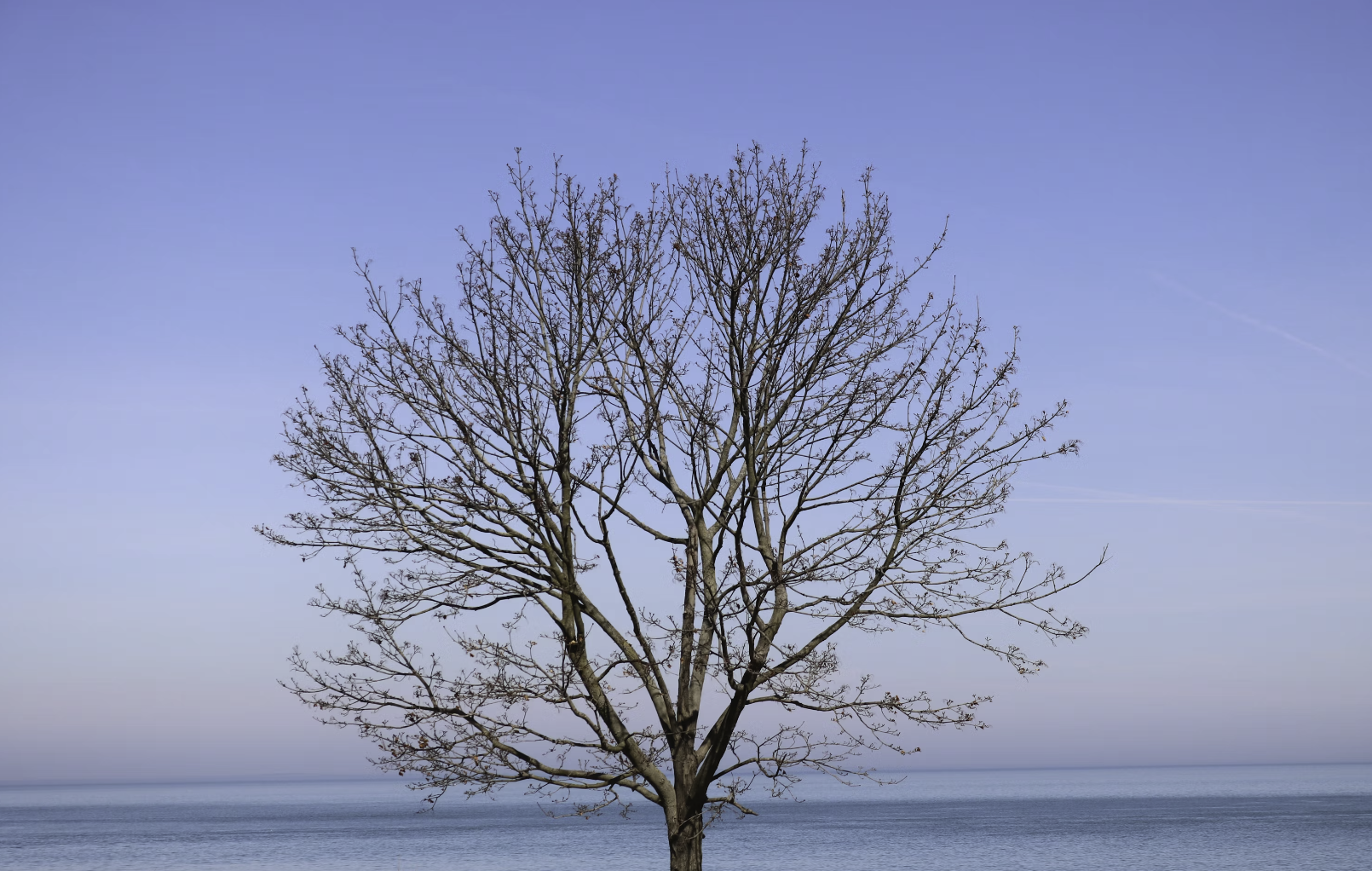
There is a moment toward the end of winter when practice begins to change, often before we consciously notice it.
The pace softens, but not into stillness.
The appetite for intensity fades, though energy has not yet returned.
What once felt expansive turns inward, gathering rather than retreating.

The Practice of Listening
There comes a point when practice no longer looks the way it once did.
The familiar shapes soften.
The edges blur.
What used to feel effortful becomes quieter, less certain, and more honest.