When the Practice Turns Inward
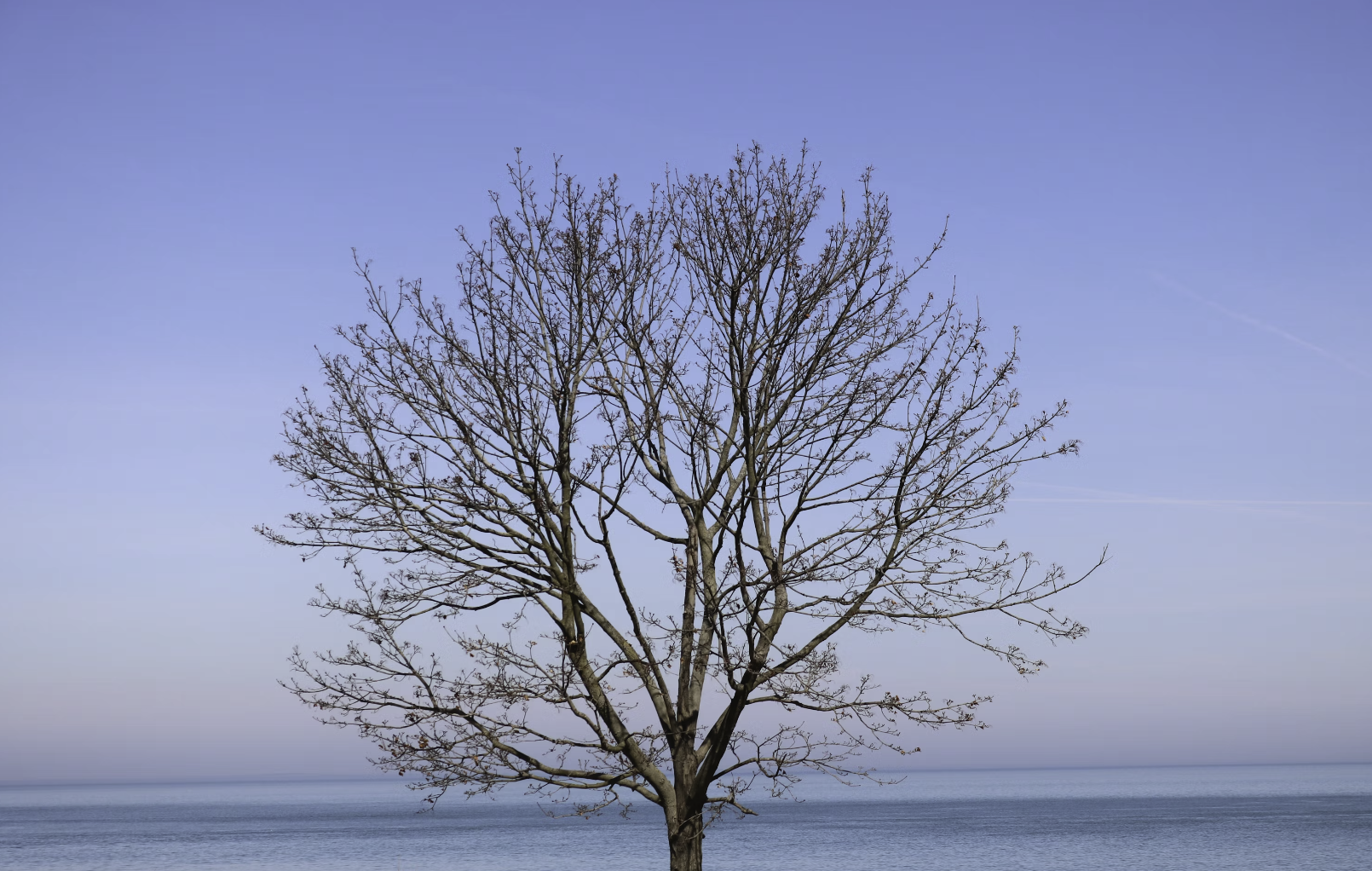
Early spring threshold
There is a moment toward the end of winter when practice begins to change, often before we consciously notice it.
The pace softens, but not into stillness.
The appetite for intensity fades, though energy has not yet returned.
What once felt expansive turns inward, gathering rather than retreating.
Late winter carries a particular quality. The light is lengthening, yet the body remains tired. There is a sense of something preparing, even as reserves feel low. Practice responds to this tension instinctively, long before the mind tries to interpret it.
The shift does not announce itself. It arrives quietly, through smaller gestures. A shorter practice. A longer pause between movements. A preference for warmth over stretch, steadiness over exploration.
For many of us, this can feel unsettling.
We are accustomed to thinking of progress as outward movement. More strength. More flexibility. More capacity. When practice contracts, it is easy to assume something is wrong. That we are losing momentum, or falling out of rhythm.
Yet inward turning is not regression. It is a phase.
In yoga, we often speak of balance between effort and ease. In lived practice, this balance is rarely static. There are periods when effort leads. Others when ease becomes the wiser guide. Late winter often belongs to the latter.
Ayurveda describes this cyclical intelligence with great clarity. Energy does not rise on command. It gathers slowly, consolidating before it moves again. What appears quiet on the surface is often deeply active beneath it.
In the natural world, late winter is not empty. Roots strengthen. Systems recalibrate. Life conserves its resources carefully, waiting for conditions to be right. The body follows the same pattern, whether we acknowledge it or not.
When practice turns inward at this time of year, the invitation is subtle but firm. To stay with sensation rather than shape. To value rest as much as movement. To trust that doing less can support what is beginning to form.
Modern life rarely makes space for this phase. We are encouraged to push forward as soon as the days lengthen, as though energy should immediately follow the light. Even our wellbeing practices can carry this expectation, asking us to maintain a steady output regardless of season.
But the body does not move in straight lines.
Late winter is a threshold. A time of low reserves and quiet preparation. When we allow practice to meet this reality, we develop a different relationship with time. One that honours recovery, listening, and restraint. One that recognises integration as an active and necessary process.
This phase does not last forever.
Gradually, energy begins to return. The desire to move outward re emerges. Strength and curiosity follow in their own time. The cycle continues, as it always does.
Practice matures when we learn to recognise these transitions and meet them without judgement.
Late winter does not ask for more.
It asks for patience.
And when we listen closely, the body is remarkably clear about that.
Susanna Syassen writes on yoga, Ayurveda, and embodied living. She is the author of The Enlightened Earth forthcoming.