Yoga Means Union
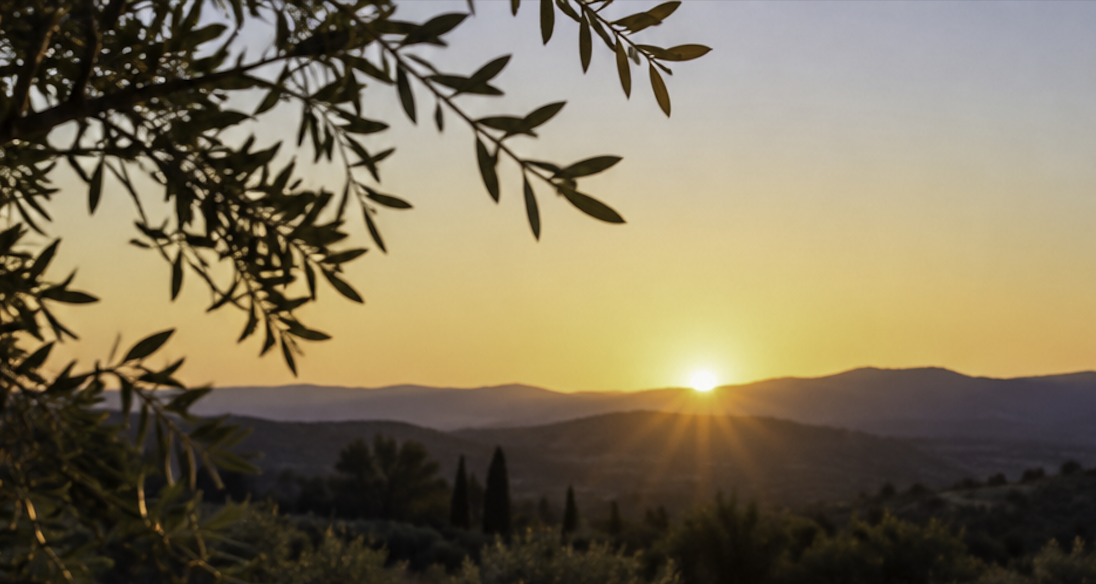
I unroll my mat.
Feet placed carefully on the ground.
Hands reaching upwards.
Breath following movement.
One posture becoming another.
These are some of the most familiar parts of yoga to me.
Yet the longer I practise, the less certain I am that the most important part of yoga happens on the mat.
The Sanskrit word yoga is commonly translated as union.
It is a small word for an enormous idea.
The space between things
We often understand things by separating them.
Body and mind.
Movement and stillness.
Strength and softness.
Effort and rest.
Inside and outside.
Even our yoga practices can become separated in this way.
Vinyasa on one day.
Yin on another.
Pranayama.
Meditation.
Rest.
Yet practice has gradually taught me to become interested in what happens between these things.
The breath is one example.
It belongs to the body, yet it responds almost immediately to the mind.
A thought can change it.
Movement changes it.
Rest changes it.
We can influence the breath deliberately, and we can also stop interfering and listen to what it is already doing.
It seems to sit somewhere between what we control and what happens without us.
Perhaps that is why breath has remained at the centre of yoga for so long.
It connects.
Movement and stillness
For many years, movement was one of the strongest threads in my practice.
I still love it.
There is something deeply absorbing about following the breath through a sequence. The hands rise. The body folds. The feet move backwards. Weight passes through the palms and returns to the feet.
The sequence has a rhythm.
But eventually we stop moving.
Sometimes we remain in a Yin posture.
Sometimes we lie down and allow the body to be supported.
Sometimes we sit.
The stillness is not separate from the movement that came before it.
One prepares us to experience the other.
This has changed the way I think about balance.
Balance is not a fixed point that we find and then keep.
It is responsive.
There are mornings when I need movement.
There are evenings when I need stillness.
There are seasons when energy seems to move outwards and others when I feel it drawing back.
A practice can respond to those differences without losing its centre.
Sun and moon
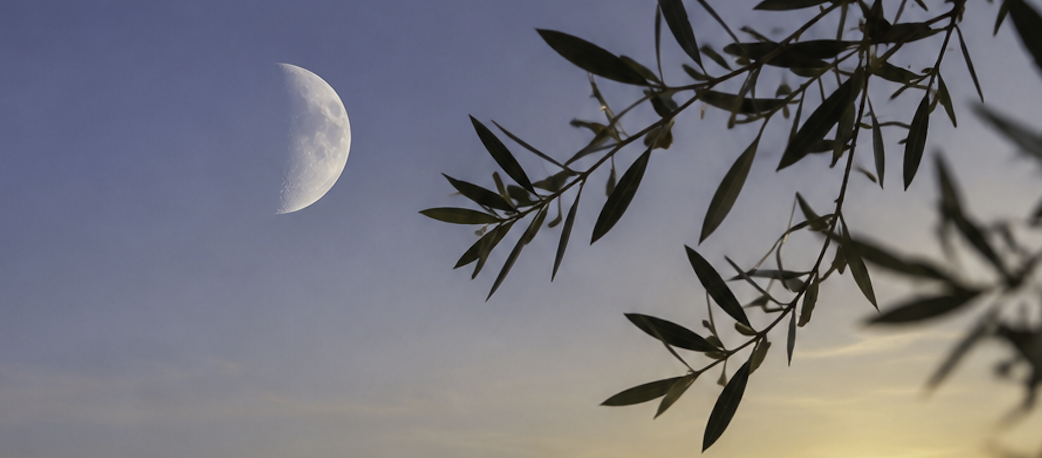
At the autumn equinox, I become particularly aware of this.
For a brief moment in the year, day and night come close to equal length.
Light and darkness meet at a threshold.
In yoga we have practices that carry these different qualities too.
Surya Namaskar, the Sun Salutation, has been part of my practice for many years. Its rhythm can build warmth and energy through the body.
Chandra Namaskar, the Moon Salutation, moves differently.
When I practise it, I feel the emphasis shift.
Side to side.
Across the mat rather than repeatedly towards its ends.
The shape and rhythm of the practice change.
I don't think one needs to belong to the sun and another to the moon in any literal sense for the contrast to be meaningful.
The body understands contrast.
Warmth and coolness.
Movement and rest.
Expansion and return.
The practice beyond the mat
Over time, this is where the meaning of union has become larger for me.
Yoga cannot remain something I practise for an hour and then leave behind when I roll up the mat.
If I learn to notice the breath in practice, eventually I notice it while waiting.
If I learn that my body does not feel the same every day, eventually I stop asking it to.
If I learn when effort is necessary and when I can soften, that distinction begins to appear elsewhere too.
The practice enters ordinary life.
How I eat.
How I rest.
How I respond to the season.
How closely I am paying attention.
The divisions become less certain.
Yoga means union
I used to think that becoming better at yoga meant being able to do more.
Another posture.
A stronger practice.
A little further.
With time, I have become increasingly interested in something else.
Can I notice more?
Can I recognise when to move and when to remain?
Can I feel the relationship between the breath and the body, rather than treating them as separate things?
Can practice make me more attentive to the life I return to when I step away from the mat?
Maybe union is not something we achieve.
Maybe it is something we begin to notice.
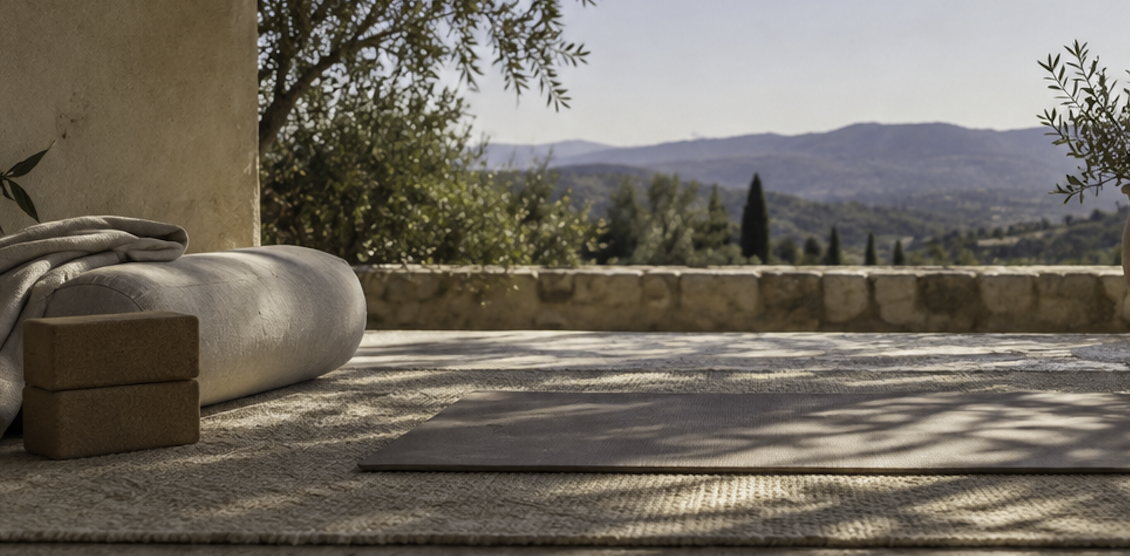
At the equinox, I unroll my mat.
There is light outside, and darkness coming.
I begin to move between them.
Susanna Syassen