SPRING CHARD WITH OLIVE OIL
EARLY SPRING
FROM MY KITCHEN
In early spring, I begin looking for green again.
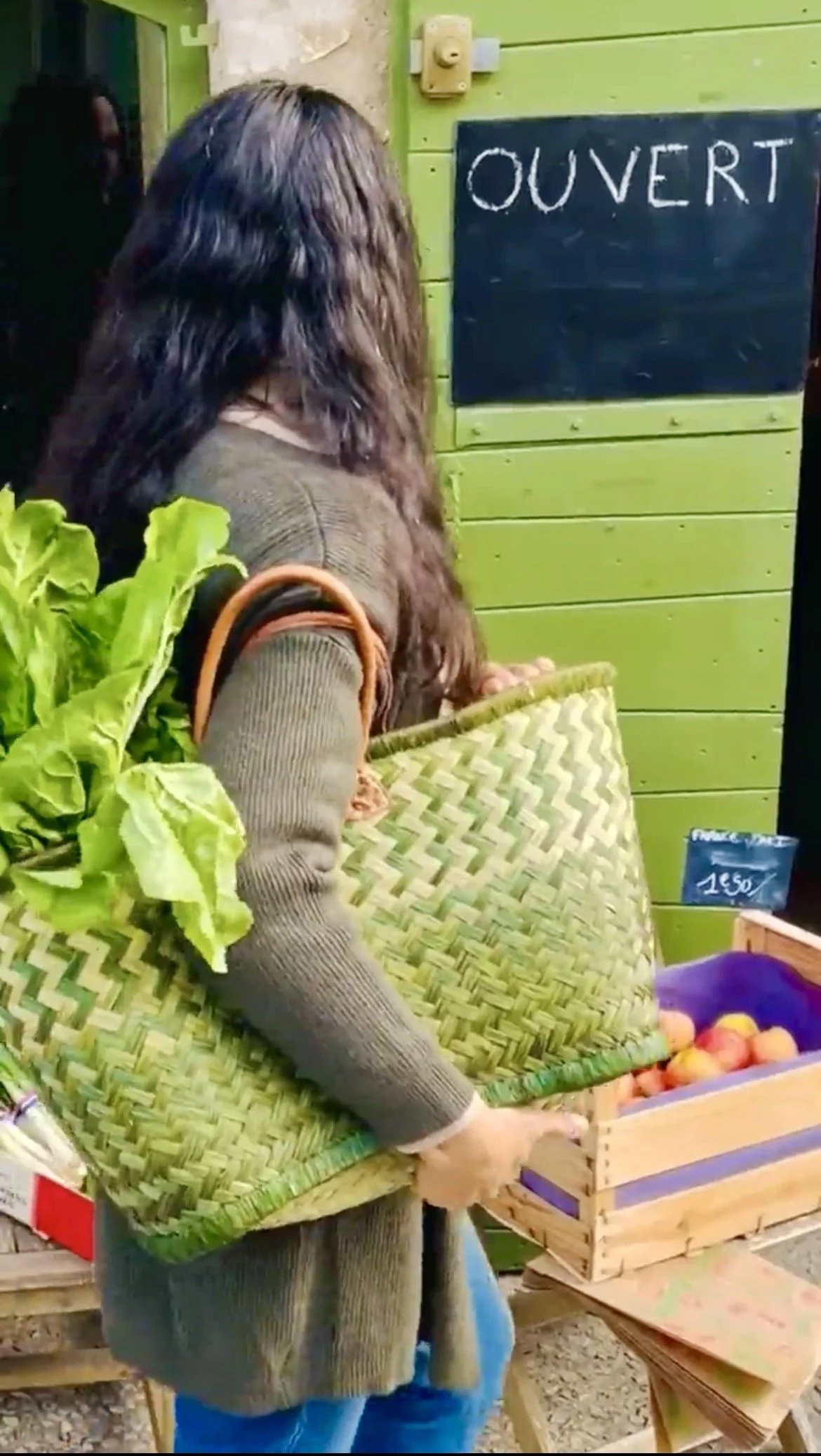
I bought this chard from a local producer, its leaves so large that they filled the basket on the walk home. At this time of year, after the denser foods of winter, I find myself wanting meals that feel simpler and greener.
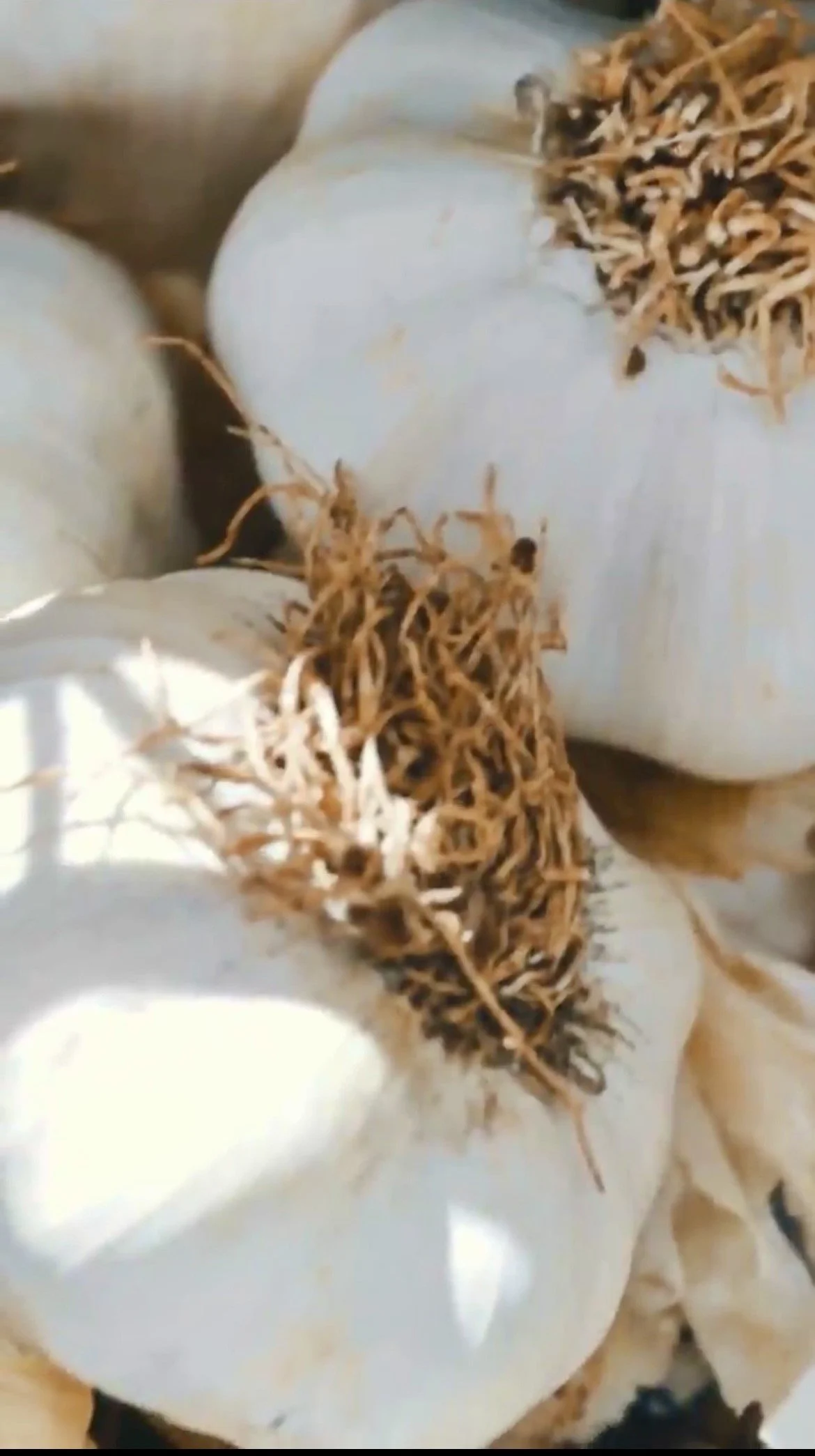
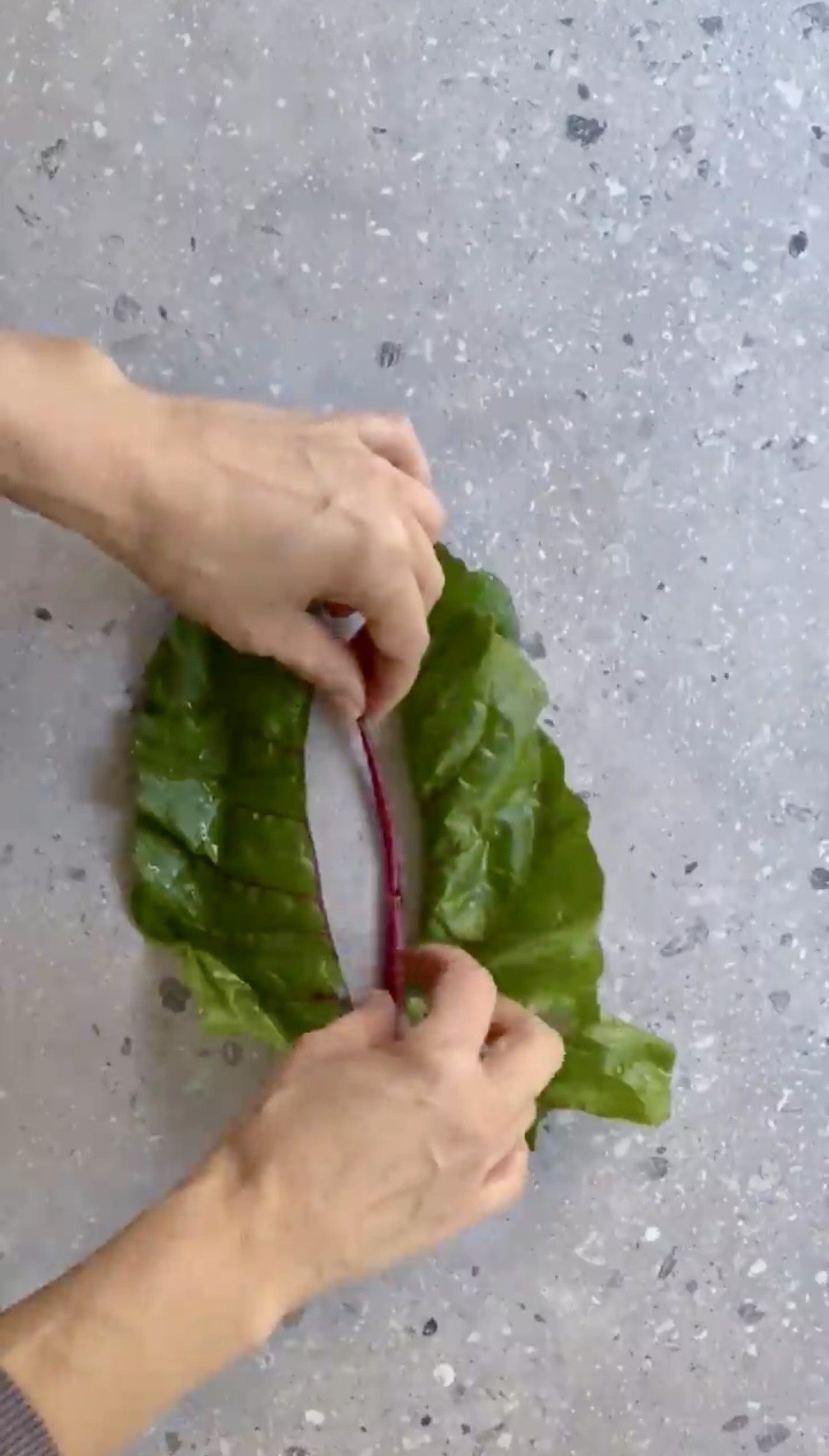
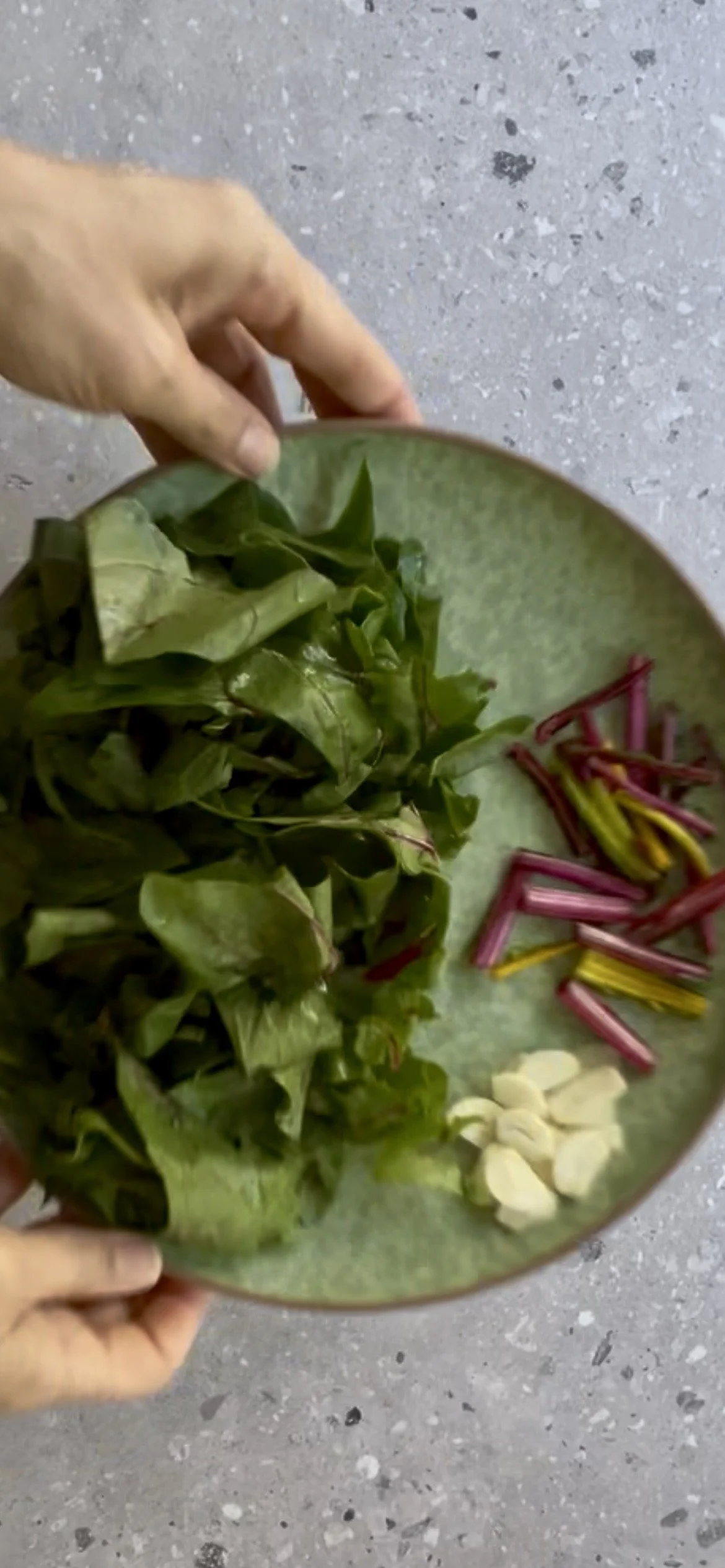
With chard, I separate the leaves from the stems rather than cooking everything together. I take the finer central ribs with the leaves, then cook them simply with garlic and a little olive oil, finishing the dish with lemon.
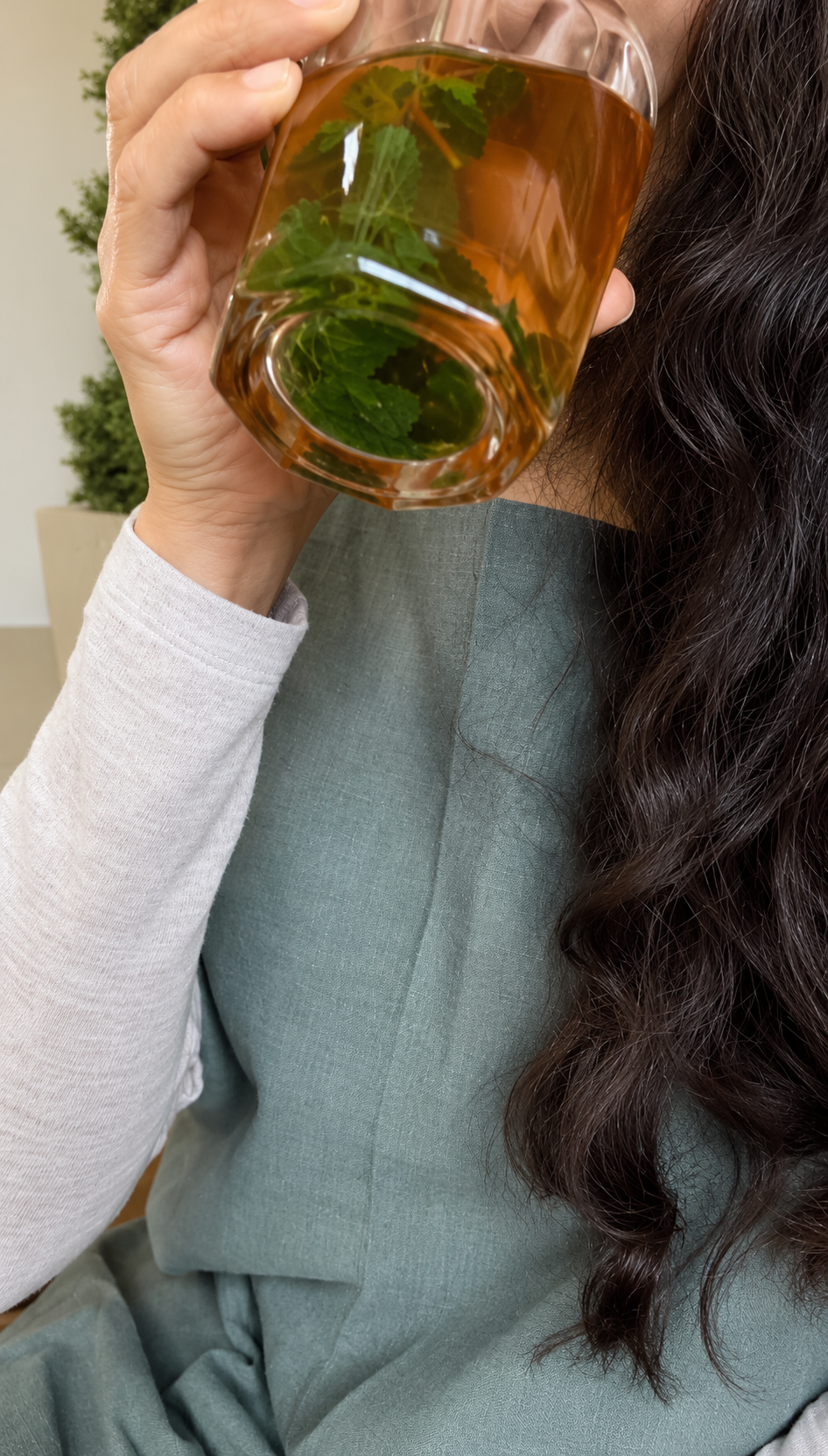
The thicker ends of the stems don't go into the pan. I boil those separately. I have sometimes drunk a little of the warm cooking liquid afterwards, rather than automatically pouring everything away.
It is a very simple way of cooking, and perhaps that is what I like about it. One vegetable comes home from the market and becomes the centre of the meal, with very little added to it.
AN AYURVEDIC NOTE
As winter gives way to spring, I begin to notice a change in the tastes I am drawn towards. After months of sweeter, denser foods such as roots and squash, the slight bitterness of the first greens feels welcome.
Ayurveda recognises six tastes: sweet, sour, salty, bitter, pungent and astringent. Each has different qualities, and the balance between them can change with the seasons.
Bitter taste is traditionally considered light and drying, qualities that can be useful as we move out of the heavier months of winter and into spring. Chard brings a gentle bitterness while still being warm and cooked.
Prepared simply with garlic, a little olive oil and lemon, it feels like a natural step between the food of winter and the lighter meals that will come as spring unfolds.
THE RECIPE
Spring Chard with Lemon & Olive Oil
Early Spring
Serves 2 as a light dish or 4 as a side
Ingredients
1 large bunch fresh spring chard
2 tablespoons extra virgin olive oil, plus a little extra to finish
½ lemon, freshly squeezed
Sea salt
Freshly ground black pepper
A little water, as needed
Method
Wash the chard thoroughly, paying particular attention to the base of the stems where soil can collect.
Separate the stems from the leaves. Slice the stems into small pieces and roughly chop the leaves, keeping them separate.
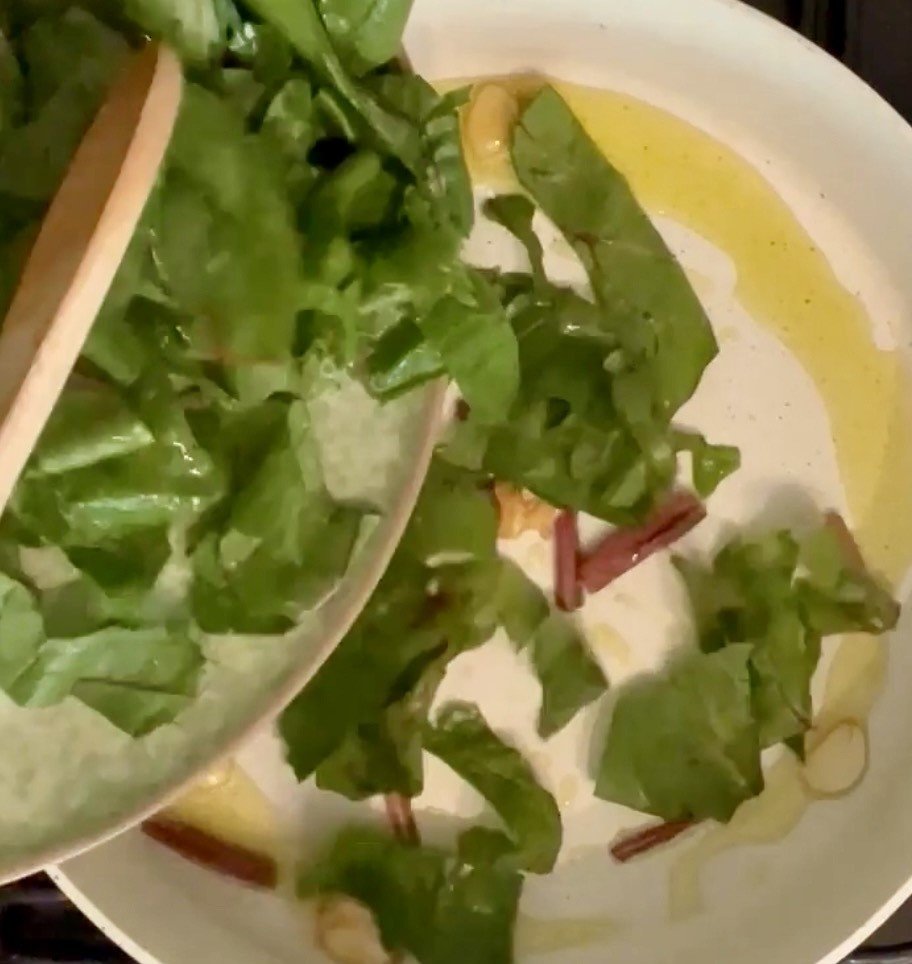
Warm 1 tablespoon of olive oil in a large frying pan over a medium-low heat. Add the chopped stems with a small splash of water. Cover and cook for approximately 5–7 minutes, stirring occasionally, until they begin to soften.
Add the chard leaves and the remaining tablespoon of olive oil. Turn gently to combine with the stems, then cover and cook for another 2–4 minutes, until the leaves have wilted and the stems are tender.
Remove from the heat and season with sea salt and freshly ground black pepper.
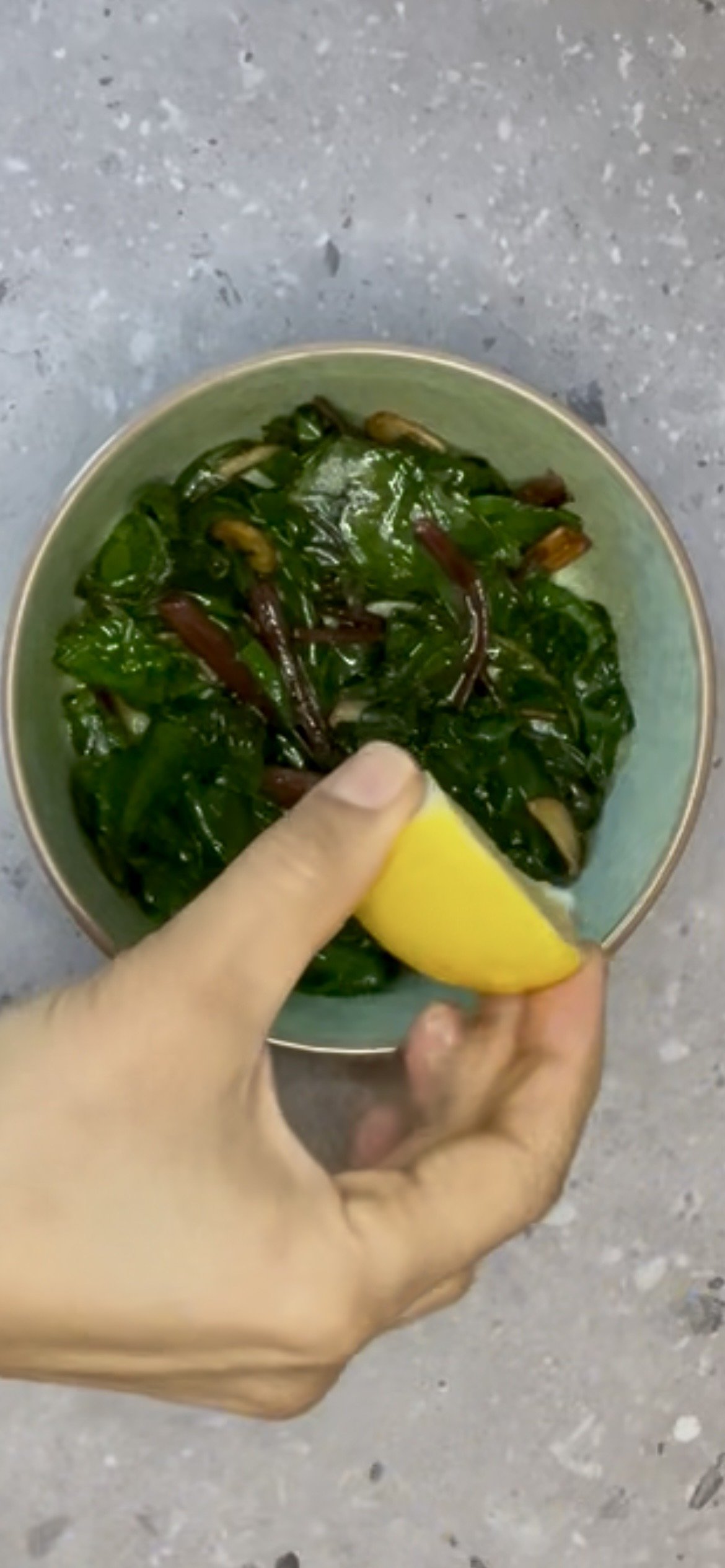
Squeeze over a little fresh lemon juice, starting with approximately 1 teaspoon and adding more to taste.
Transfer to a warm serving dish and finish with a drizzle of extra virgin olive oil.
Serve immediately, while the leaves are tender and their colour is still vibrant.
A note from the kitchen
The stems and leaves cook at different speeds, so giving the stems a few minutes first allows the whole vegetable to be used without overcooking the delicate greens. The lemon and olive oil are added at the end to preserve their fresh flavour.
A MINDFUL MOMENT
Before discarding the parts of a vegetable you don't immediately need, look at what is left.
A stem, a leaf or a cooking liquid may still have a place in the kitchen.
Cooking seasonally has made me more attentive to this. Sometimes using what remains is as simple as putting another small pan of water on the stove.