Mung & Brown Rice with the First Garden Chives
Early Spring
FROM MY KITCHEN
In early spring, I begin looking for the first things returning to the garden.
The weather can still be cool, and I am not ready to leave behind the warm food of winter, but small signs of the new season begin appearing. One of the first I notice is the chives.
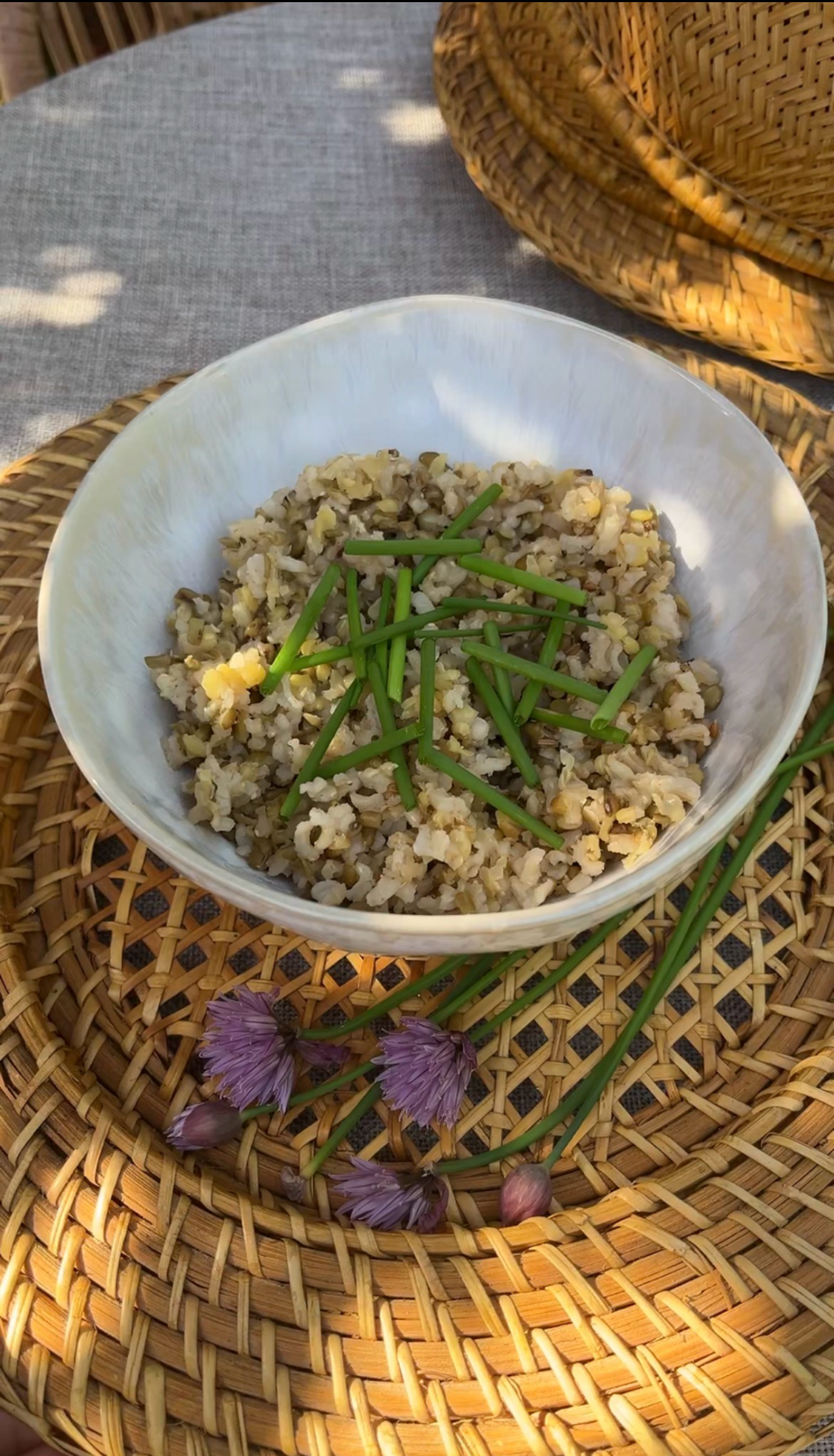
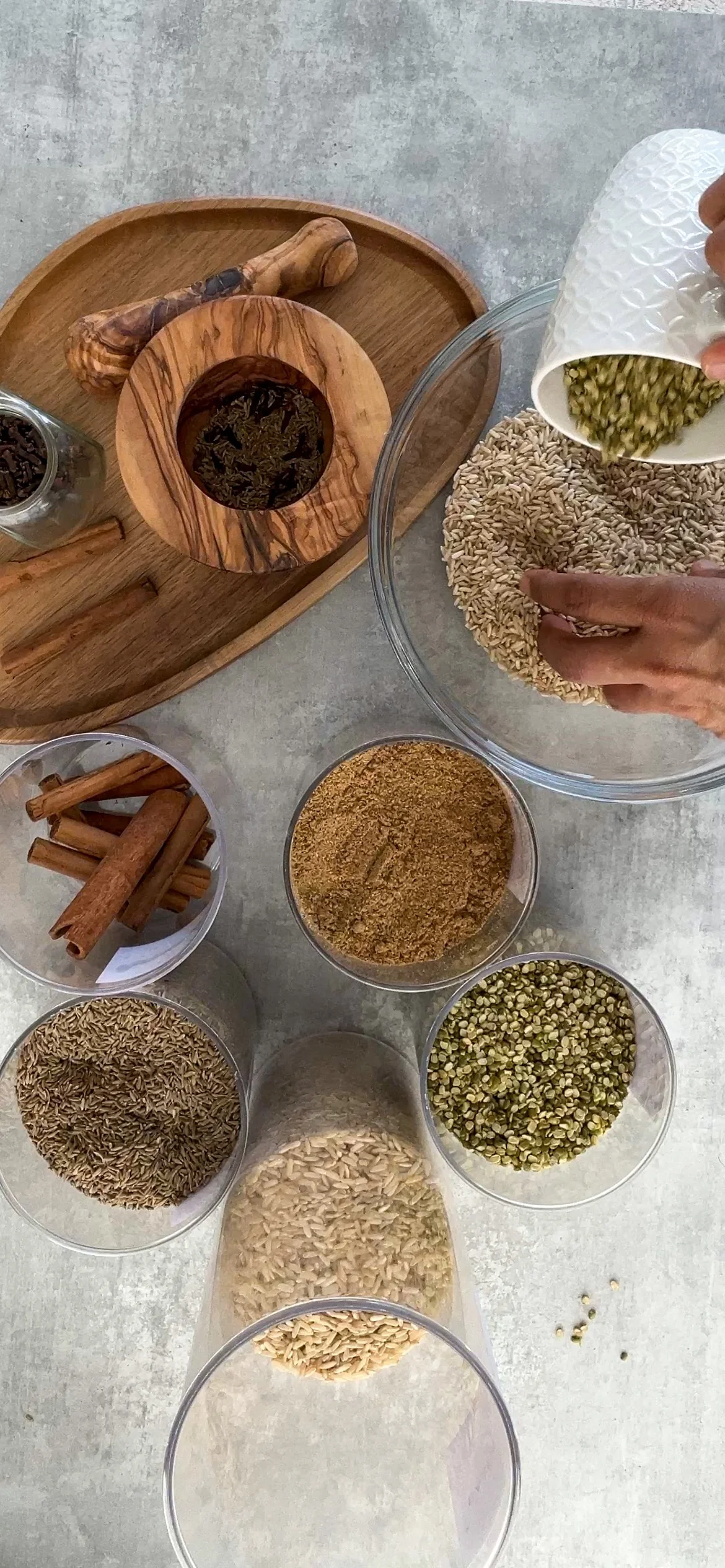
After months of winter cooking, seeing those green stems pushing upwards feels surprisingly exciting. I cut a handful from the terracotta pot outside, bring them into the kitchen and scatter them over a warm bowl of brown rice and mung.
The meal itself is simple: rice and mung cooked slowly with spices until soft and warming. It still belongs to the cooler weather. The fresh chives are what begin to move it towards spring.
I think this is one of the ways seasonal cooking changes. The kitchen does not suddenly become filled with spring food because the calendar says March. Winter remains in the bowl for a while, while the first green things begin to appear around it.
AN AYURVEDIC NOTE
Ayurveda traditionally recognises six tastes: sweet, sour, salty, pungent, bitter and astringent. Each brings different qualities to a meal, and the balance between them can change with the season.
Through winter, we may naturally be drawn towards sweeter, heavier and more substantial foods: roots, grains, nuts and warming dishes. As spring begins, bitter, pungent and astringent tastes traditionally become more prominent in Ayurvedic seasonal eating, bringing a lighter contrast to the heaviness of winter.
In this bowl, the rice provides predominantly sweet taste, mung brings astringency, and the first fresh chives add pungency.
THE RECIPE
Serves 2 generously
Ingredients
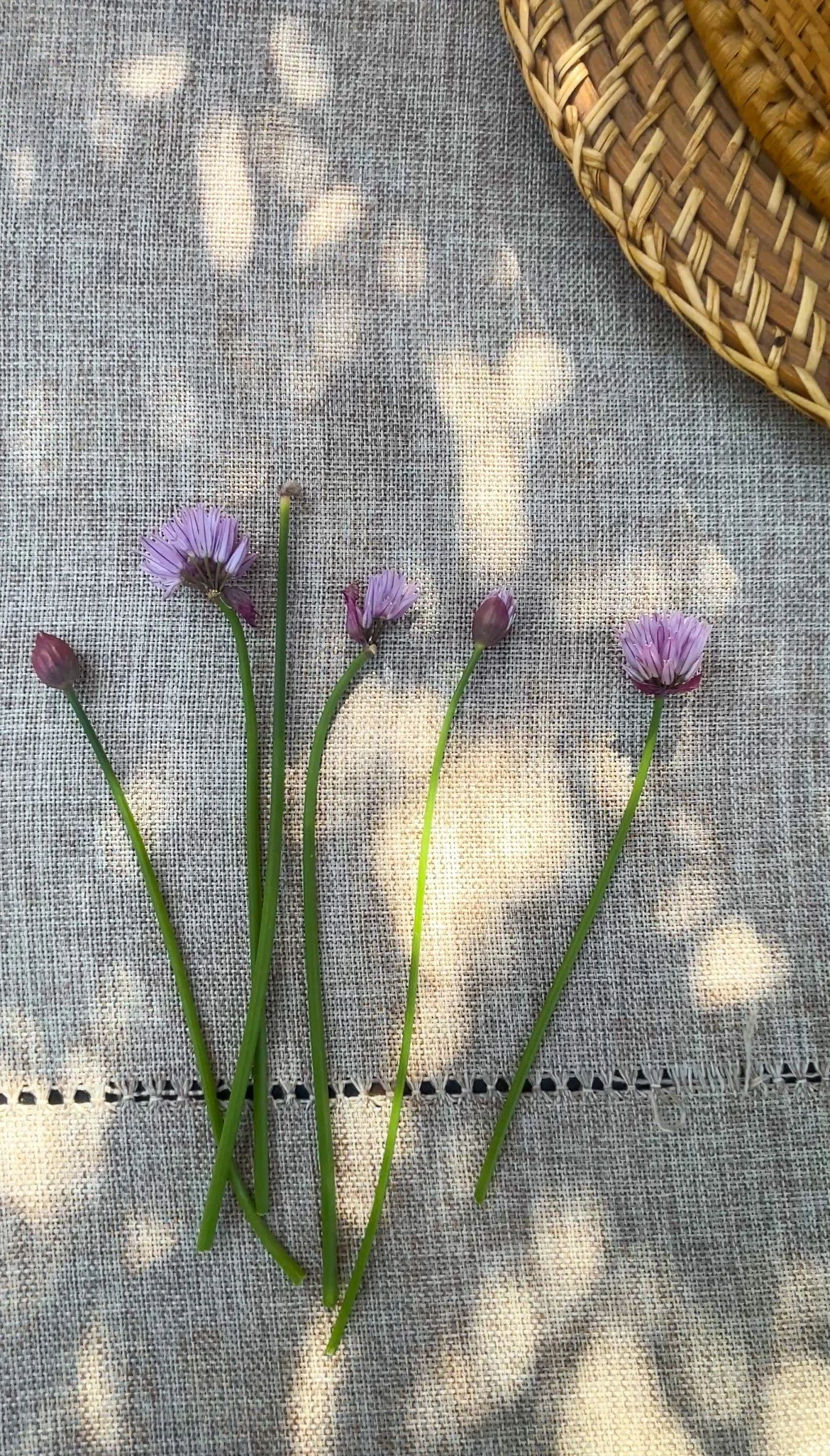
100 g split yellow mung dal (moong dal)
100 g brown basmati rice
1 tablespoon extra virgin olive oil
1 teaspoon cumin seeds
1 teaspoon coriander seeds, lightly crushed
½ teaspoon ground turmeric
½ teaspoon fennel seeds
2–3 thin slices fresh ginger, finely chopped
1 small cinnamon stick
900 ml–1 litre water, plus extra as needed
Sea salt, to taste
A small handful of fresh garden chives, finely chopped
A little extra virgin olive oil, to finish
Fresh lemon juice, optional
Method
Soak the mung dal. Place the mung dal in a bowl, cover generously with fresh water and leave to soak for 2–4 hours. Drain and rinse thoroughly before cooking.
Rinse the brown basmati rice under cold running water until the water becomes clearer. Drain well.
Warm the olive oil in a heavy-bottomed saucepan over a low to medium heat. Add the cumin, coriander and fennel seeds, stirring for approximately 30 seconds until fragrant.
Add the chopped ginger, turmeric and cinnamon stick. Stir briefly, allowing the spices to release their aroma without burning.
Add the brown rice and stir to coat it in the warm spices. Pour in 900 ml water, bring to a gentle boil, then reduce the heat and simmer, loosely covered, for 15 minutes.
Add the soaked and drained mung dal. Continue cooking for approximately 25–35 minutes, stirring occasionally, until the rice and mung dal are completely tender. Add more hot water as needed to maintain a soft, porridge-like consistency.
Season with sea salt and remove the cinnamon stick.
Spoon into warm bowls and finish with a little extra virgin olive oil and a generous scattering of freshly chopped garden chives. Add a few drops of lemon juice if desired.
Serve warm, allowing the freshness of the first garden chives to complement the soft rice, mung dal and aromatic spices.
A note on soaking and consistency
Soaking the mung dal ahead of cooking allows it to hydrate and may help it cook more evenly.
The mixture will thicken as it stands. If preparing it ahead of time, add a little warm water when reheating and stir until it returns to your preferred consistency.
Brown rice takes longer to soften than white basmati rice, so cooking times may vary.
A MINDFUL MOMENT
If you grow herbs, gather what you need immediately before eating.
Cut a few stems rather than bringing in the whole plant. Notice the scent released as you cut them, and again when they meet the warm food.
A garnish can seem like the smallest part of a meal.
Sometimes it is the part that connects the bowl back to the place where it grew.